

What Makes the Best Epoxy Garage Floor Coating in Winter
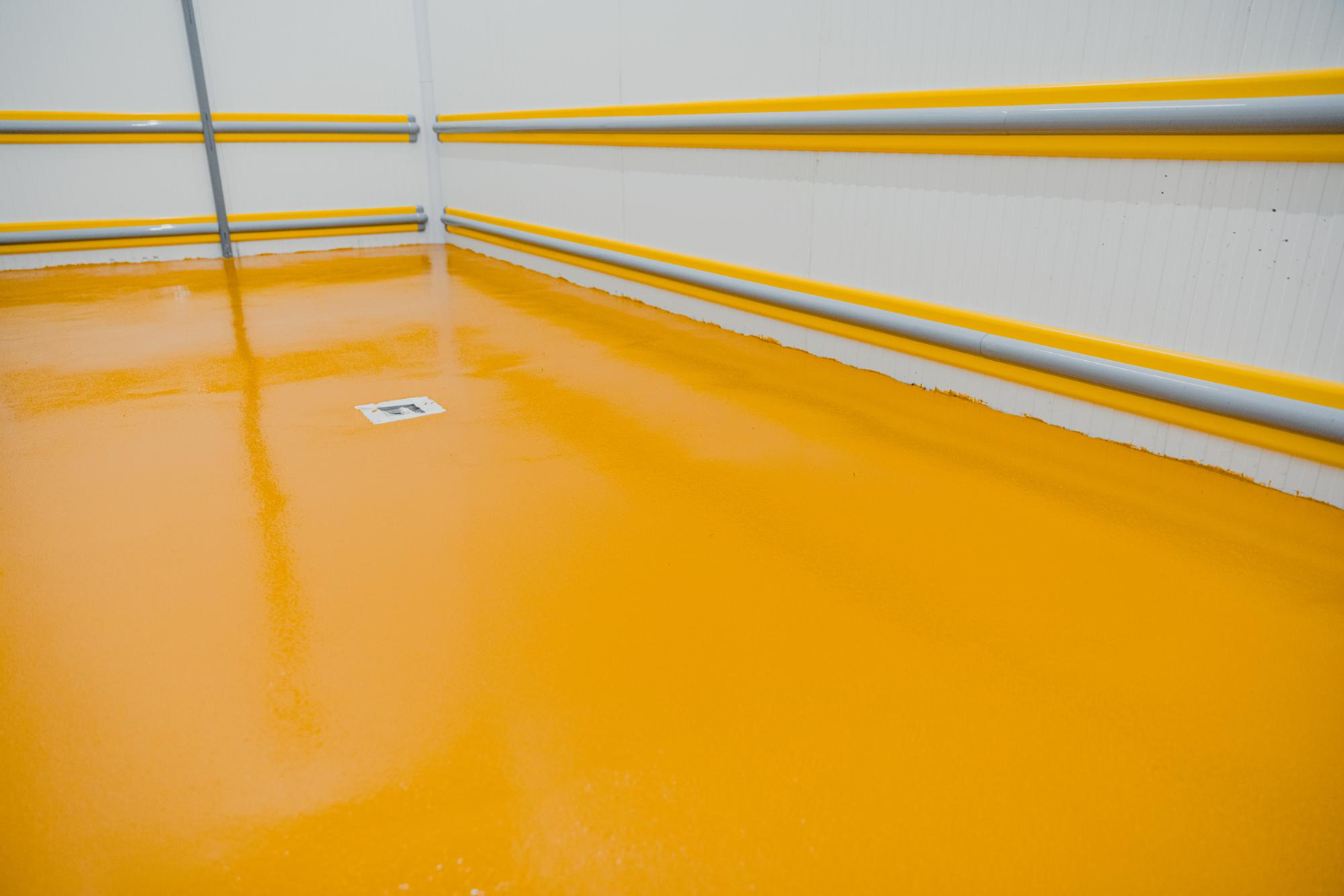
Garage floors really feel the cold when winter rolls in. Between freezing temperatures, wet boots, and salty vehicles, things can go downhill fast if your floor isn’t up to the task. That’s why the best epoxy garage floor coating matters more than ever this time of year. It helps guard against the stuff winter throws at you, ice, water, stains, and wear.
Not every coating handles cold well though. In winter, the way a floor coating goes down and how it cures can change everything. If the bond’s not solid, the coating won’t hold. And if it takes too long to dry, you could end up with a mess. That’s why it’s worth knowing what works and how to time it. Let’s talk through what makes some coatings better than others when snow starts to fall in places like Vancouver.
How Cold Weather Affects Garage Floors
Cold weather doesn’t just sit there quietly. It moves into your garage and causes problems.
- Freezing can split concrete wide open. If there are already small cracks, the freeze-thaw cycle makes them worse. Water gets in during the day, then expands as it freezes overnight.
- Slush from boots and cars melts onto your concrete, then makes its way into tiny holes on the surface. If your floor isn’t sealed, that moisture soaks in and brings more damage later.
- Road salt and antifreeze don’t just leave stains, they can break down exposed concrete over time. Salt eats away at the top layer until the surface roughens and starts to crumble.
Without a solid coating, your garage floor takes a beating all winter long. That’s why it’s smart to get ahead of it before things freeze over for good.
What to Look for in a Winter-Ready Floor Coating
A floor coating that works great in the summer might struggle once temps drop. Winter-ready coatings need a few specific features to really hold up:
- They need to bond, even when it’s colder. Some coatings don’t stick as well to concrete below a certain temperature. That can lead to peeling, bubbles, or uneven spots, things you want to avoid.
- Fast curing can make or break an install. When humidity is high or temps fall below normal, slow-drying coatings stay tacky longer. That could throw off timing or cause foot marks during setup.
- Slippery floors aren’t safe, especially when wet. A good winter coating has grip built in, so you’re not risking slips just walking out to your car. Look for something with a bit of texture or traction to it.
Choosing a garage floor coating for winter should always come down to how it handles low temps, wet conditions, and safety for everyday use.
Why Epoxy and Polyaspartic Coatings Work Well in Winter
Epoxy and polyaspartic coatings both work well when winter hits, but each has strengths when cold weather sets in.
- Epoxy bonds tight and creates a thick, strong layer that helps seal out moisture. But it doesn’t love freezing temps. It can still be installed in winter, but the timing has to be right. The floor surface needs to be warm enough for it to cure properly.
- Polyaspartic coatings go down fast and cure even quicker. That makes them great for winter installs since they can handle low temps better than traditional epoxy. They don’t hang around waiting to dry, which helps avoid dust or moisture settling into them.
- Both coatings give you seamless protection against water, snow, and salt. Once cured, they’re tough, easy to clean, and block off concrete from the stuff winter brings in.
Our epoxy and polyaspartic systems are designed for professional-grade protection and are applied by trained installers, making sure your finish holds up well to tough Vancouver conditions.
When you use coatings that are meant for winter installs, you don’t just get short-term help. You get a garage floor that holds up year after year, no matter how bad the weather gets.
Professional Application Makes All the Difference
Installing a garage floor coating in the cold isn’t just tricky, it can go wrong if you’re not careful.
- In cooler temps, products behave differently. Curing time changes. Surface moisture becomes a bigger problem. Starting without the right prep means the coating might not stick at all.
- Prep matters way more in the winter. The floor has to be cleaned, dried properly, and treated for any cracks or oil stains. Miss a step, and the whole job can fail.
- Pros have the gear and materials that work in cold. Special additives, mixing tools, and heaters sometimes get involved if things are icy or below ideal temps. Those aren’t things most have sitting around in the garage.
We prepare each concrete surface using mechanical diamond grinders to remove old coatings and make a strong base for adhesion, always following a process built for maximum lifespan. Our coatings are chosen for their resistance to impacts, chemicals, and stains, which are ideal qualities when dealing with road salt and tough winter grime.
That’s why winter coatings are best handled by people who know how the season affects the install. It isn’t just about pouring and waiting. It’s about knowing how the floor, weather, and products all work together.
When to Schedule Your Floor Coating Before Winter
By the time real winter hits, it’s often already too late. Planning ahead is the secret here.
- The best time to coat a garage floor is before it freezes solid. In Vancouver, that usually means late fall or the very beginning of winter is your window.
- If you wait too long, demand starts to spike as people rush to fix salt-damaged floors or address slippery surfaces. Booking early helps avoid delays or rushing the job when it’s too cold to do it well.
- A coating done in early winter is already fully cured when the snow and ice start piling up. That means you’re not dealing with water soaks, loose grit, or melted slush making its way underneath the surface.
Getting ahead of winter keeps your garage functional, clean, and protected throughout the season instead of struggling to play catch-up once the damage sets in.
Keep Winter Worries Out With the Right Floor Solution
Winter is never easy on a garage, but having the right floor coating can take away a lot of the stress. When your floor is sealed up, slip-resistant, and strong enough to beat back salt and water, you get a cleaner, safer space to walk into.
The best epoxy garage floor coating handles winter like it’s no big deal. It holds up through changing temperatures, locks out moisture, and stands firm underfoot. And when your garage stays sound through snow and ice, that’s one less worry during a season that brings enough of its own challenges.
For homeowners in Vancouver, who know winter brings real moisture and mess, getting your floor set early puts you in a better spot once the cold takes hold.
At The Garage Guys, we understand how challenging Vancouver winters can be when your garage floor isn’t properly protected. Cold, snow, and salt can quickly damage untreated concrete, but the right solution makes all the difference. We’re committed to making sure your floor is covered from the start. For the best epoxy garage floor coating to handle the season, reach out to our team today.